🏛️ HERCULES Project Summary: Sustainable Cultural Landscapes
The HERCULES project (Sustainable futures for Europe’s heritage in cultural landscapes: Tools for understanding, managing, and protecting landscape functions and values) was an EU-funded initiative dedicated to empowering actors to protect, manage, and plan for sustainable cultural landscapes across Europe.
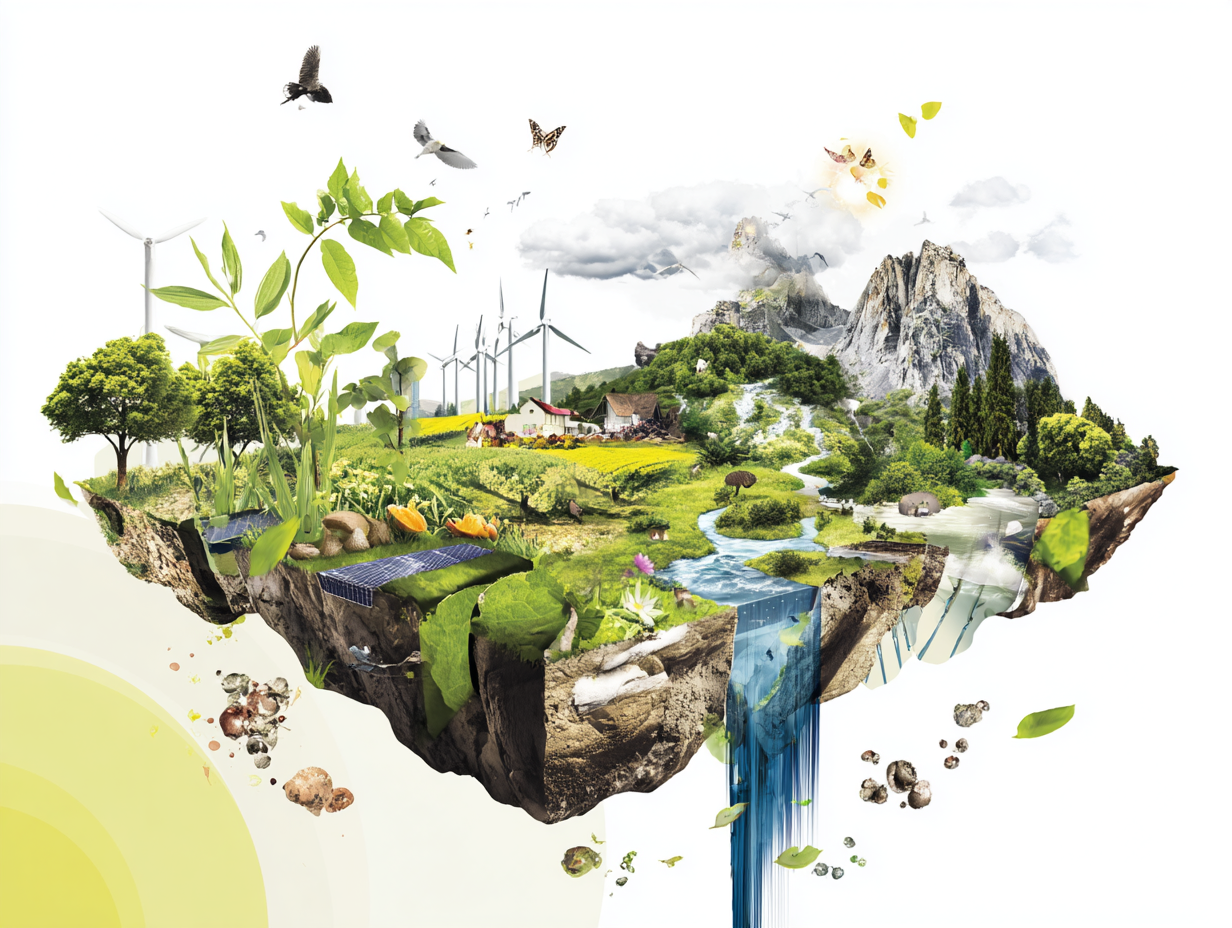
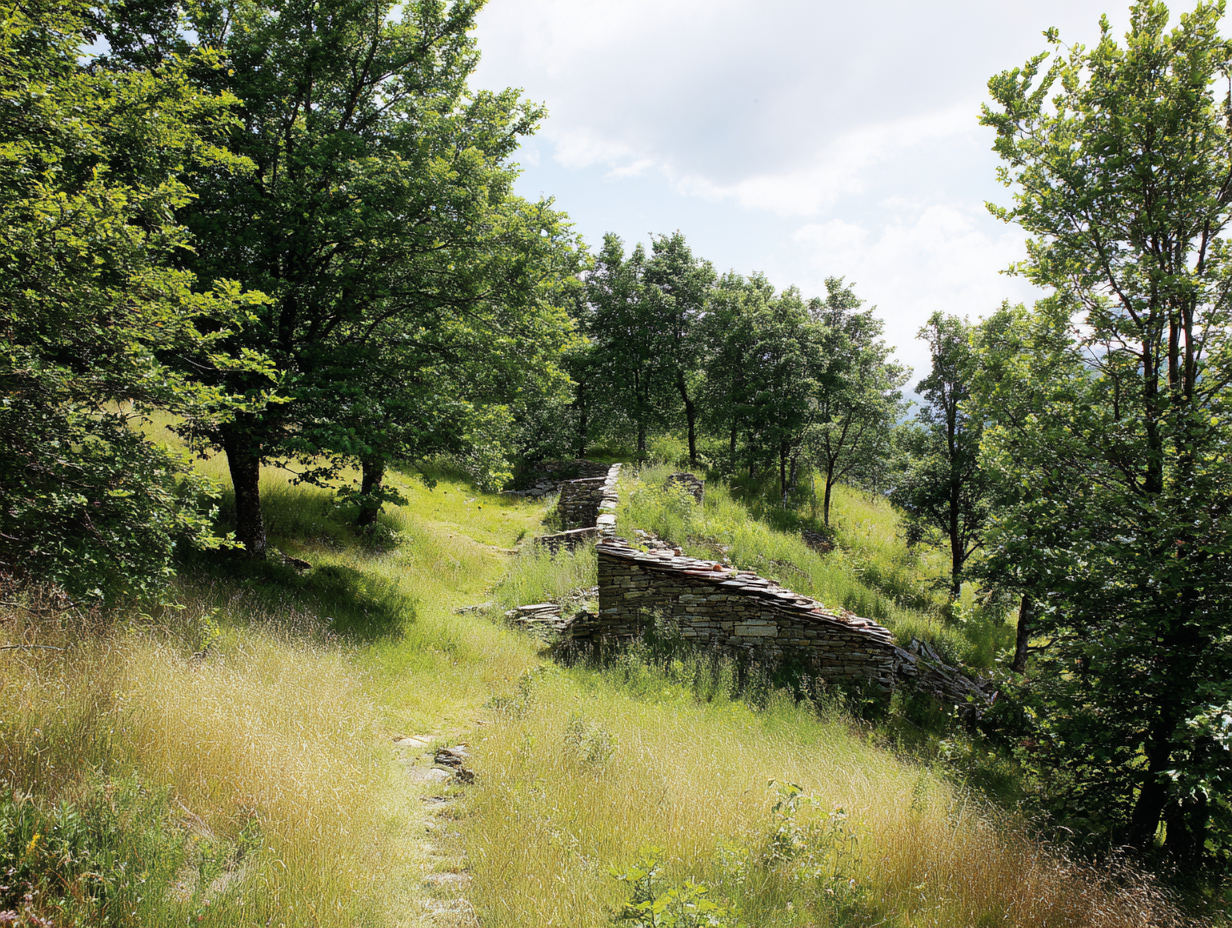
Cultural landscapes are areas that connect nature and society, having been shaped by human activities over millennia.
🎯 Key Challenges and Objectives
HERCULES addressed several obstacles hindering the sustainable development of cultural landscapes:
- Knowledge Gaps regarding landscape long-term development.
- Lack of understanding of the added values of cultural landscapes.
- Absence of support systems for management and policies at various levels.
💡 HERCULES Approach and Results
The project employed an innovative, participatory methodological procedure that integrated insights from multiple disciplines (geography, landscape archaeology, ecology, anthropology, information science) across local, national, and pan-European scales.
Methodology and Research
- Long-Term Understanding: Developed methods to understand the long-term development and transformation of cultural landscapes.
- Local Engagement: Worked directly with local communities in eight study landscapes across Europe.
- Policy and Mapping:
- Developed a common cultural landscapes framework.
- Created maps to assess the transformation of cultural landscapes in terms of land-use change at a pan-European scale.
- Stewardship Support: Identified ways to support civil-society driven landscape initiatives in their stewardship roles.
Outputs and Legacy
The project results were diverse and targeted at science, practice, and policy, including:
- Guidance on landscape stewardship and landscape labelling.
- Strategies for integrated landscape management for implementing the Sustainable Development Goals (SDGs) in Europe.
- Policy recommendations on climate change and resilience and promoting a landscape approach to environmental governance.
All outputs are centralized in the “HERCULES Knowledge Hub for Good Landscape Practices.”