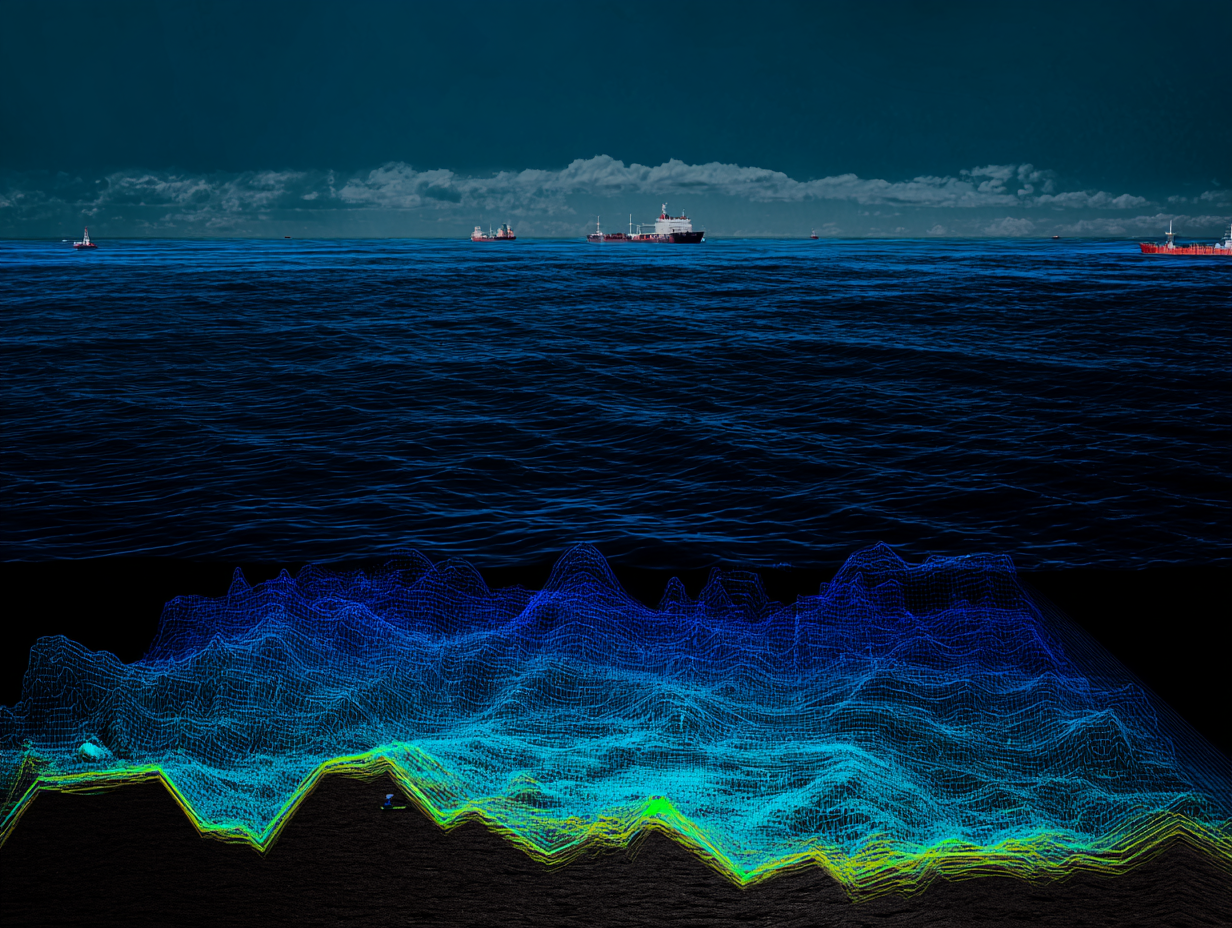
The WeSenseIT project developed a citizen observatory framework for water resource management. It empowered communities to actively participate in data collection and decision-making processes.[copernicus]
Project Overview
WeSenseIT, funded under the EU’s FP7 program, ran from December 2012 to late 2016 with a budget of about €7 million. The initiative shifted traditional top-down water monitoring to a two-way model involving citizens as stakeholders in capturing, evaluating, and sharing environmental data. It integrated physical sensors, citizen inputs like photos and messages, and social media mining to address floods and droughts across the hydrologic cycle.cordis.europa+1
Key Components
- Data Capture: Low-cost static/portable sensors used by citizens, plus “soft” layers from crowdsourcing social networks (e.g., Twitter, Facebook) and direct reports.[rbmplife.org]
- Modeling and Tools: Adaptive physical/social models and decision-support systems to assimilate heterogeneous data for risk assessment.[cordis.europa]
- Infrastructure: Platforms enabling discussion, monitoring, and feedback between citizens, authorities, and emergency responders.[copernicus]
Demonstrations
Tested in real-world case studies with civil protection agencies in the UK, Netherlands, and Italy, focusing on flood- and drought-prone areas. Results influenced governance by promoting citizen engagement in planning and emergency response.rbmplife+1