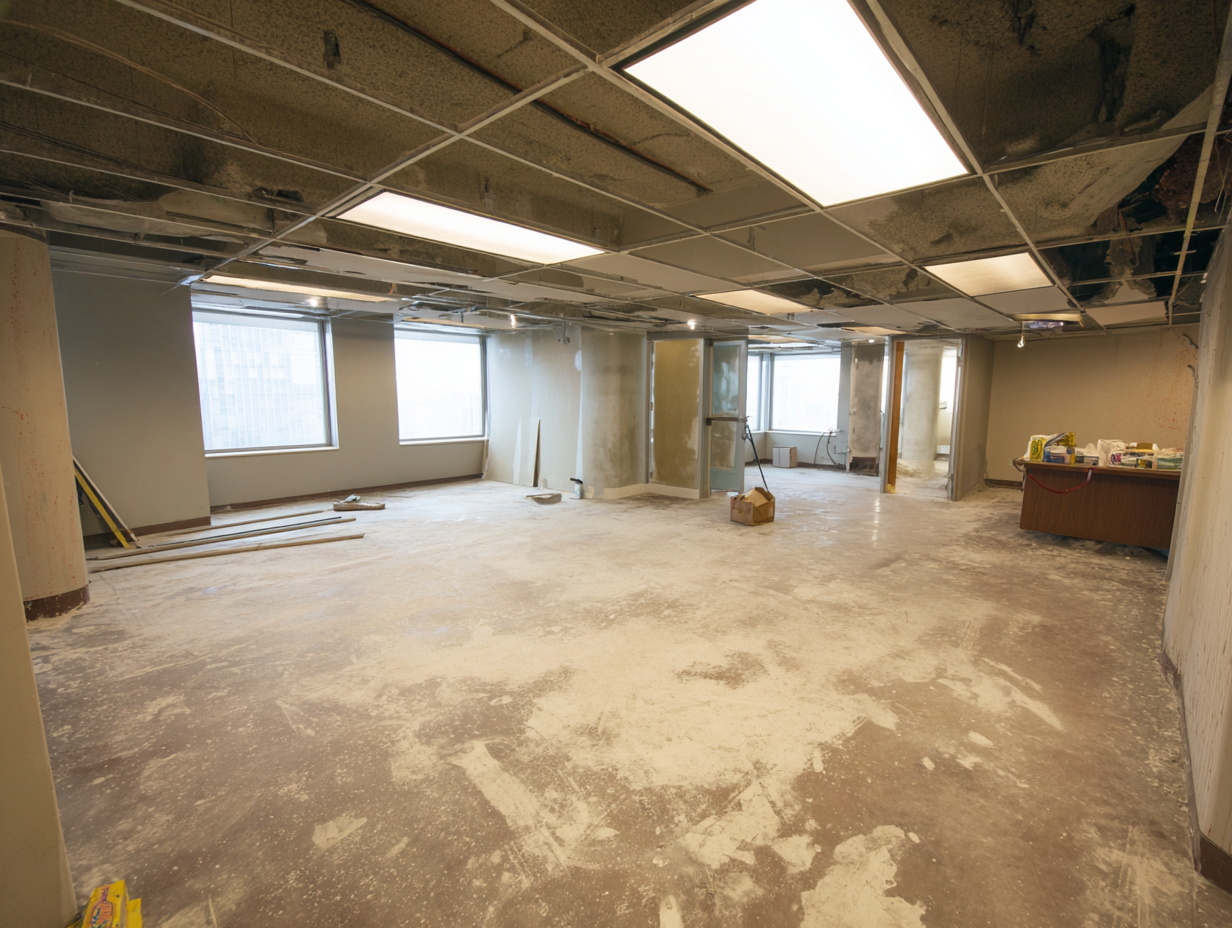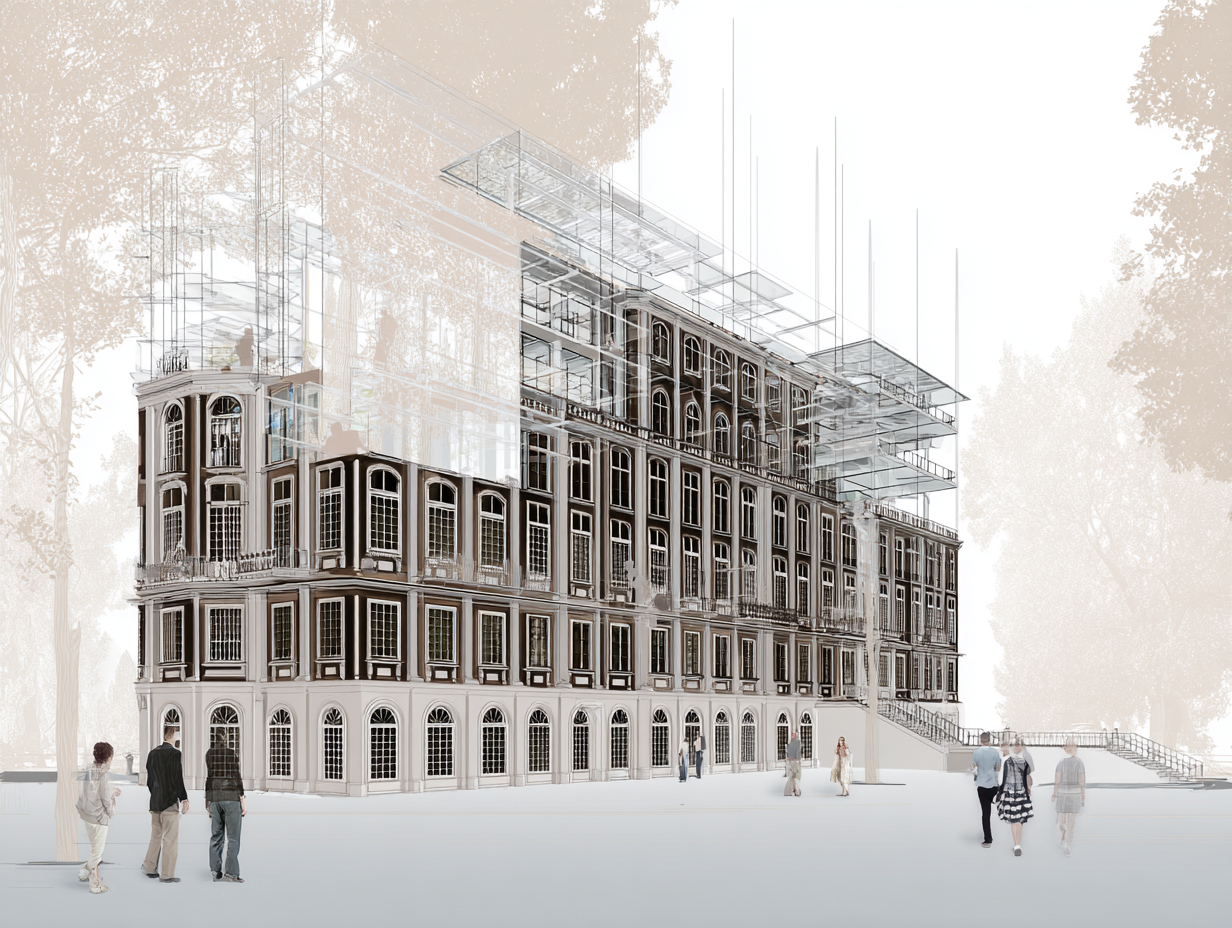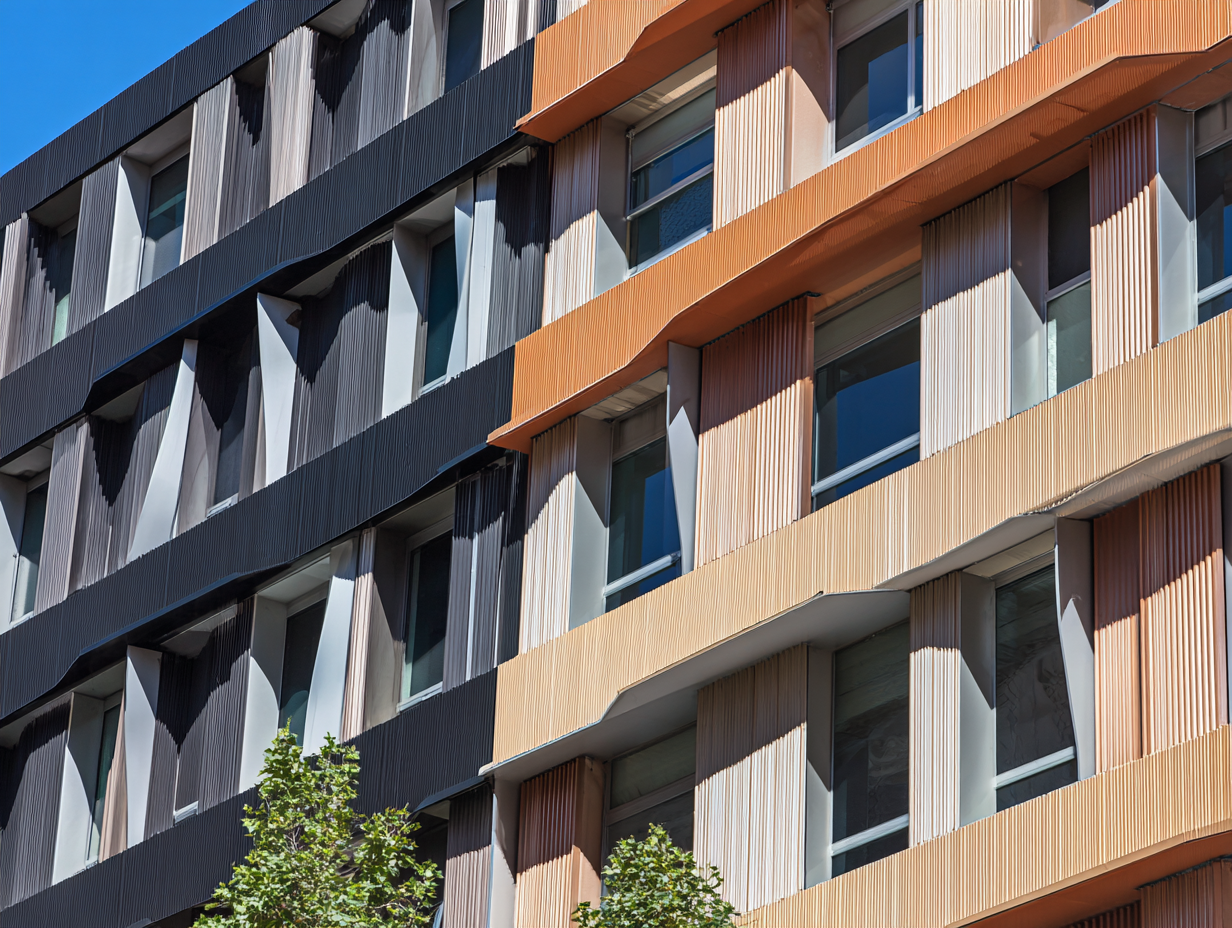
The SESBE project focused on developing innovative façade elements for sustainable buildings. It aimed to enhance energy efficiency and safety using advanced materials.
Project Overview
SESBE, or “Smart Elements for Sustainable Building Envelopes,” was an EU-funded initiative from 2013 to 2017. It targeted lightweight, multifunctional façade panels suitable for both new constructions and retrofits, emphasizing reduced weight, thickness, and improved insulation.
Key Innovations
- Incorporated aerogel-based materials like Quartzene® for superior thermal insulation, achieving lower conductivity (e.g., 34-39 mW/(m·K) in sealing tapes vs. standard 48 mW/(m·K)).
- Developed fire-safe, nanomaterial-enhanced composites for energy efficiency, sealing, and structural integrity.
- Included life cycle assessments (LCA/LCC) to evaluate environmental impact and costs compared to conventional products.
Outcomes and Impact
The project advanced sustainable building envelopes by integrating nanotechnology for decentralized energy solutions and resource conservation. Partners like Tremco Illbruck received EU funding (£69,829 for 2% of costs), with results published via CORDIS and project sites.