The H-HOUSE project, short for “Healthier Life with Eco-innovative Construction Components,” was an EU-funded FP7 initiative focused on sustainable building innovations.
Project Goals
It aimed to create multifunctional components for building envelopes and internal walls suitable for new constructions and renovations. Key priorities included reducing embodied energy and carbon footprints while enhancing thermal and acoustic comfort to foster healthier indoor environments by minimizing pollutants and noise.
Innovations Developed
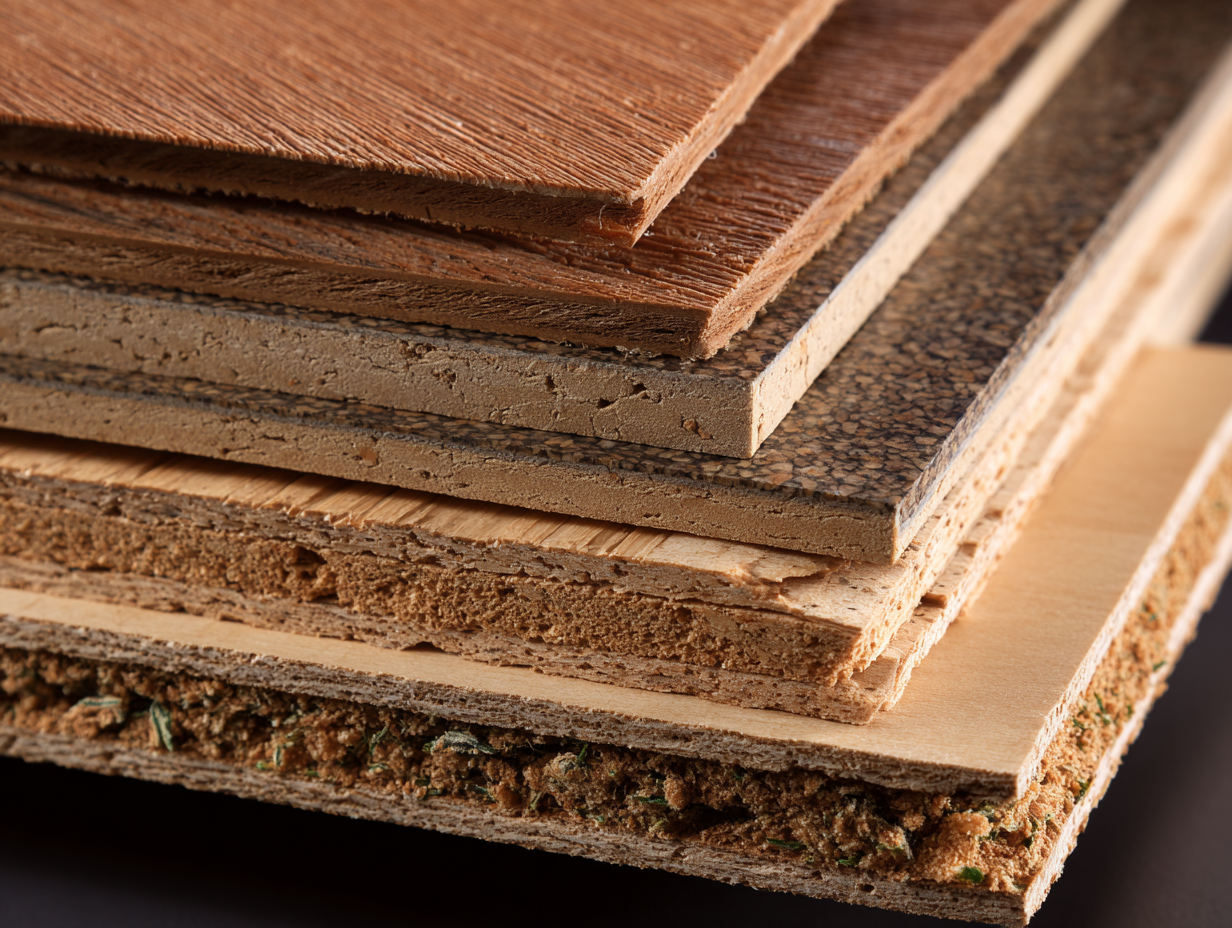
Developers combined materials like hydrothermally produced ultra-high-performance fiber-reinforced concrete (UHPFRC), aerated autoclaved concrete (AAC), earth, wood, wood fiber, and cellulose into lightweight façade elements and partition systems. These improved durability, energy efficiency, moisture management, and recyclability through easy disassembly.
Materials Approach
On the material level, the project enhanced surface functionalization, vapor permeability, heat resistance, and reduced moisture transport using existing technologies. Composite elements on the component level boosted overall functionality for better indoor air quality and lower maintenance costs.