Grant agreement ID: 821479
DOI
Project closed
EC signature date3 May 2019
Start date1 June 2019
End date30 November 2023
This summary provides a comprehensive overview of the Pop-Machina project (2019–2023), a Horizon 2020 initiative that explored the synergy between the maker movement and the circular economy.
Project Context & Objectives
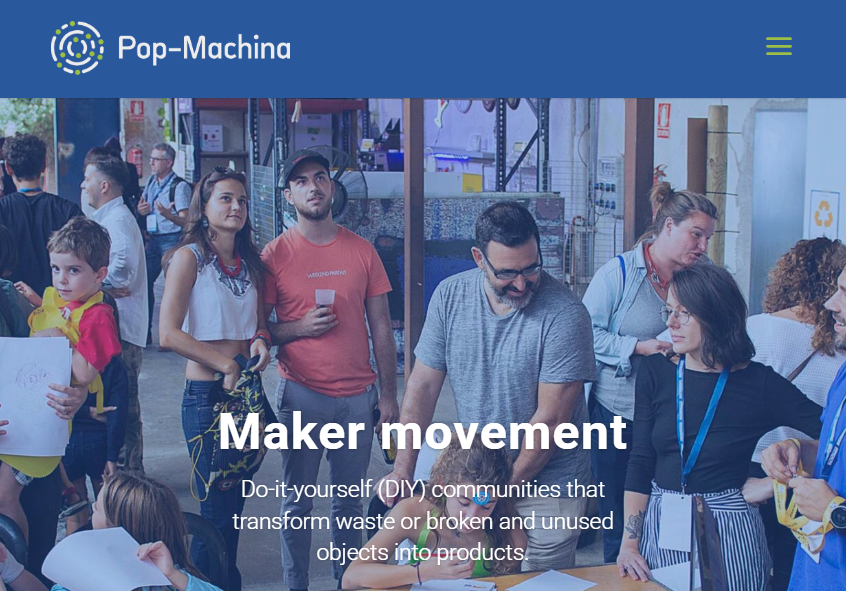
Pop-Machina aimed to demonstrate that collaborative production—communities making things together—is a powerful tool for urban regeneration and circularity. Instead of “Take-Make-Waste,” the project empowered citizens to use secondary raw materials (waste) to create new products.
- Pilot Cities: Implemented in 7 European cities: Leuven (BE), Istanbul (TR), Thessaloniki & Piraeus (GR), Santander (ES), Venlo (NL), and Kaunas (LT).
- Maker Empowerment: Focused on providing the digital and physical infrastructure for “circular makerspaces” where people can repair, recycle, and upcycle.
- Inclusion: A strong focus on empowering underrepresented groups, including women and vulnerable communities, through skill development.
Key Performance Indicators (KPIs) & Innovation
The project utilized “Social Industry 4.0” technologies to bridge the gap between hobbyist making and professional circular business models.
| KPI Category | Achievement / Innovation |
| Network Engagement | Established a Network of Interest and Advisory Board for long-term sustainability. |
| Tokenization | Developed the ‘POP’ Token (blockchain-based) to reward circular activities. |
| Education | Created the Pop-Machina Academy (PMA) with immersive training for “Maker Champions.” |
| Technology | Integrated a Social Collaboration Platform (SCP) and an Open Knowledge Tool. |
| Policy Impact | Published Integration and Replication Guides for city planners and policymakers. |
Main Deliverables & Demonstrators
1. The Social Collaboration Platform (SCP)
The “digital heart” of the project, the SCP allowed makers to:
- Connect & Share: Find nearby makers and makerspaces.
- Book Equipment: Real-time booking of digital fabrication tools (3D printers, laser cutters).
- Marketplace: A hub to sell circular products or services to the community.
2. Tokenization & Value Chain Certification
- Tokenization of Work: Using Blockchain (BaaS), the project introduced the POP token. Users earn tokens by performing circular tasks (e.g., uploading training videos, recycling materials) and can spend them on services or materials within the marketplace.
- Certification Framework: A mechanism to verify the “circularity” of a product’s value chain, ensuring that items produced in makerspaces meet sustainability standards.
3. Urban Metabolism & Maker Mapping
- Circular Maker Passport: A tool developed to characterize the unique “circular profile” of makers and spaces in each pilot city.
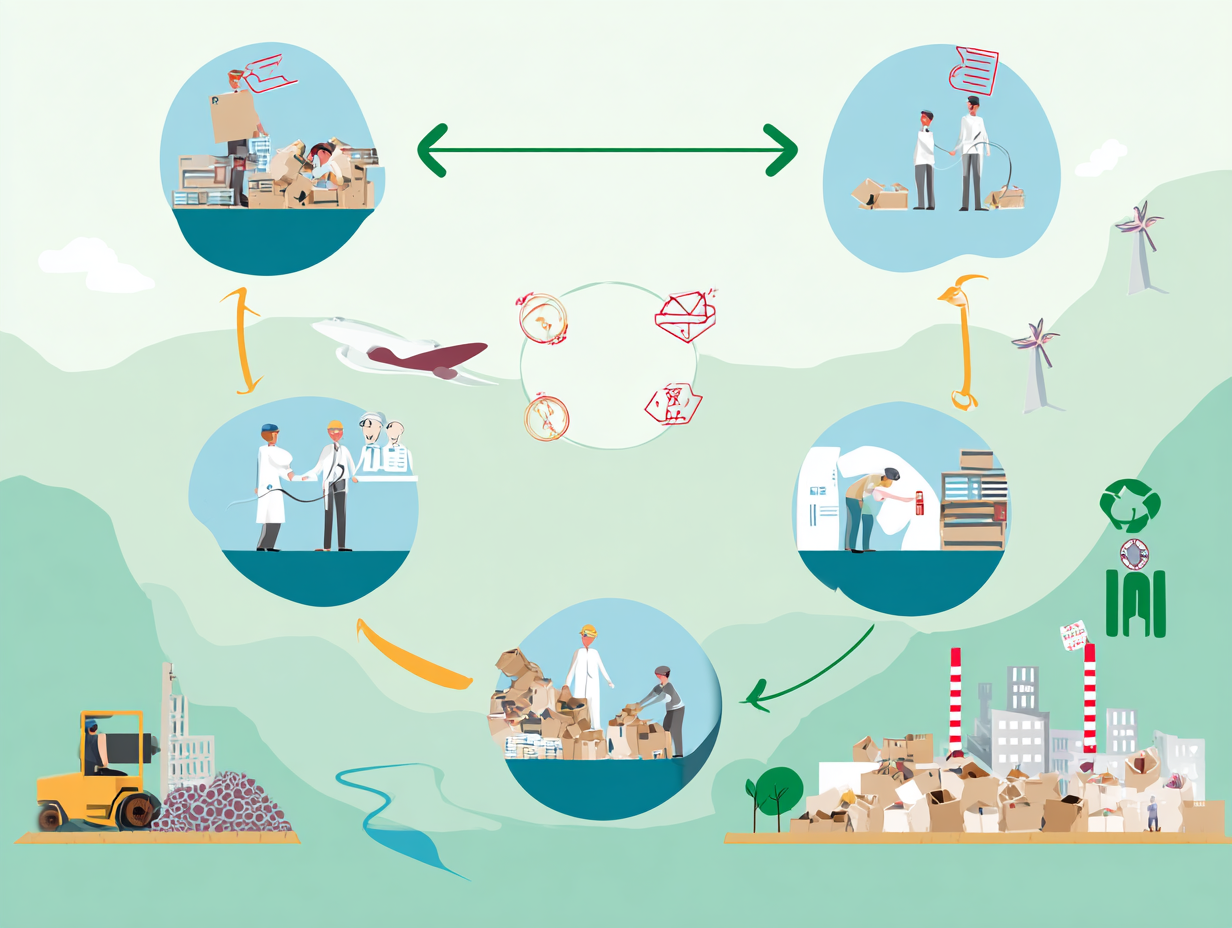
- Urban Metabolism Reports: Detailed analysis of how materials flow through cities and where makerspaces can intervene to “close the loop.”
Socio-Economic & Societal Impact
Pop-Machina moved beyond academic research to create a lasting “circular maker ecosystem”:
- Entrepreneurship: The Circular Maker Accelerator helped transition DIY projects into viable, market-ready circular businesses.
- Social Welfare: By providing free access to high-tech tools and training, the project reduced inequalities and fostered social cohesion.
- Environmental Resilience: Reduced city dependence on raw material imports by maximizing the reuse of local waste streams.
- Legacy: The POP-MACHINA Replication Guides provide a blueprint for any city in the world to adopt this model and turn their “waste” into “wasterials.”