The ENERGY IN TIME project developed a simulation-based control system to optimize energy use in existing non-residential buildings, targeting up to 20% savings during operations. Funded by the EU’s FP7 program from 2013-2017, it integrated modeling, real-time monitoring, and predictive tools for HVAC and other systems.energyintime+1
Project Goals
The initiative focused on automating optimal operational plans using weather forecasts, user behavior, and energy prices to minimize consumption while maintaining comfort. It advanced beyond traditional fixed-schedule controls by employing dynamic simulations and optimization algorithms. Additional features included fault detection, predictive maintenance, and decision support for retrofitting.cordis.europa+1
Key Components
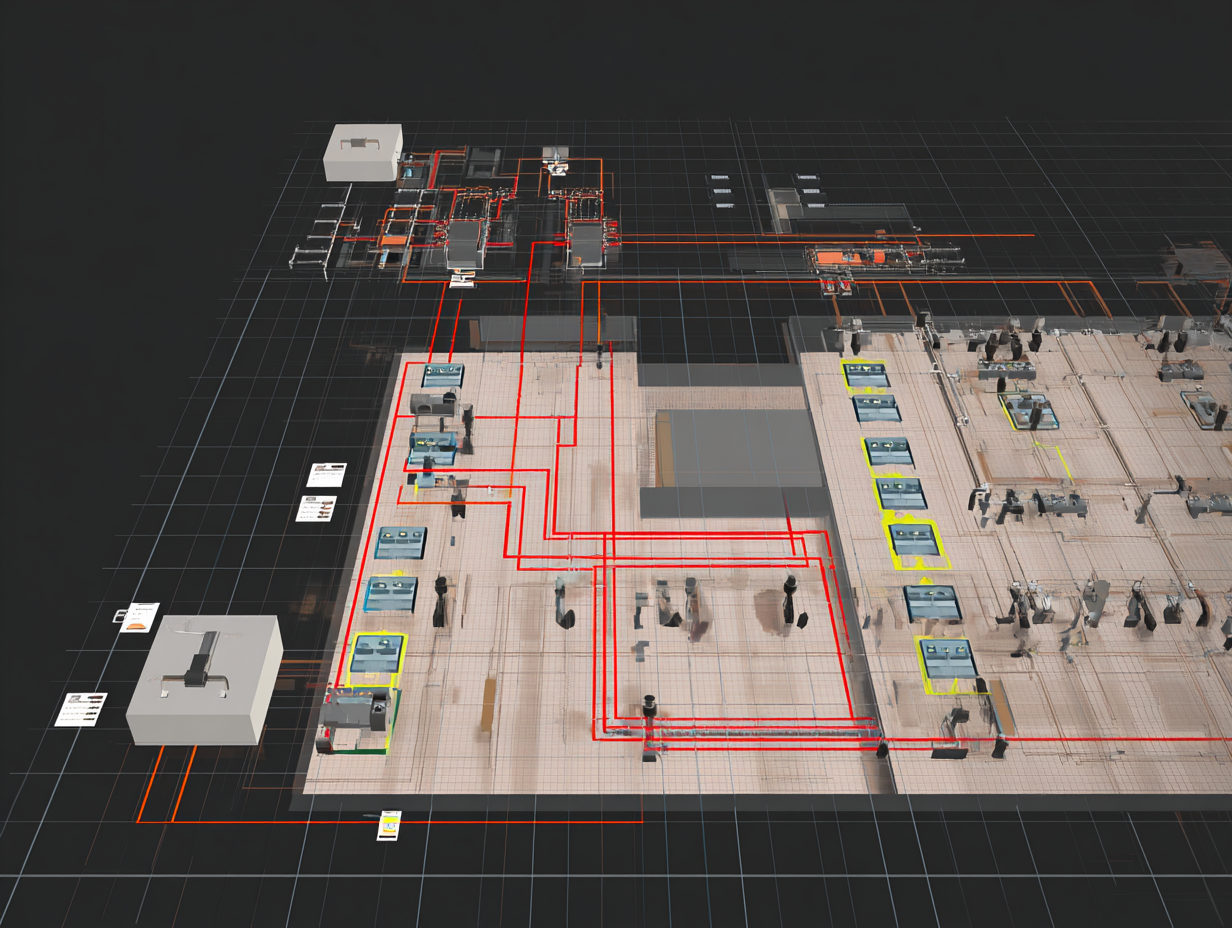
- Simulation Models: Calibrated dynamic models (e.g., via IES software) for real-time building behavior prediction.[cordis.europa]
- Control Layers: Operational plan generation (advance planning), supervision/reconfiguration (real-time adjustments), and execution via BEMS integration.[cordis.europa]
- Remote Platform: Cloud-based centralized control for multiple buildings, with data acquisition from sensors.[energyintime]
Demo Sites and Results
Tested in four European buildings: Faro Airport (Portugal), ICPE offices (Romania), Sanomatalo offices (Finland), and Levi Hotel (Finland). Savings varied: 11-26% in short demos, with yearly projections up to 30% in some cases (e.g., €40,000 at Sanomatalo). Methods followed IPMVP protocols, adjusting for weather and occupancy.[cordis.europa]
Relevance to Architecture
As an architecture student in Bucharest—near the ICPE demo site—this project’s BIM-compatible simulations align with sustainable design and Revit/Dynamo workflows for energy modeling. It emphasizes operational efficiency, complementing your interests in eco-systemic buildings and tech transitions. [user context from personalization][cordis.europa]