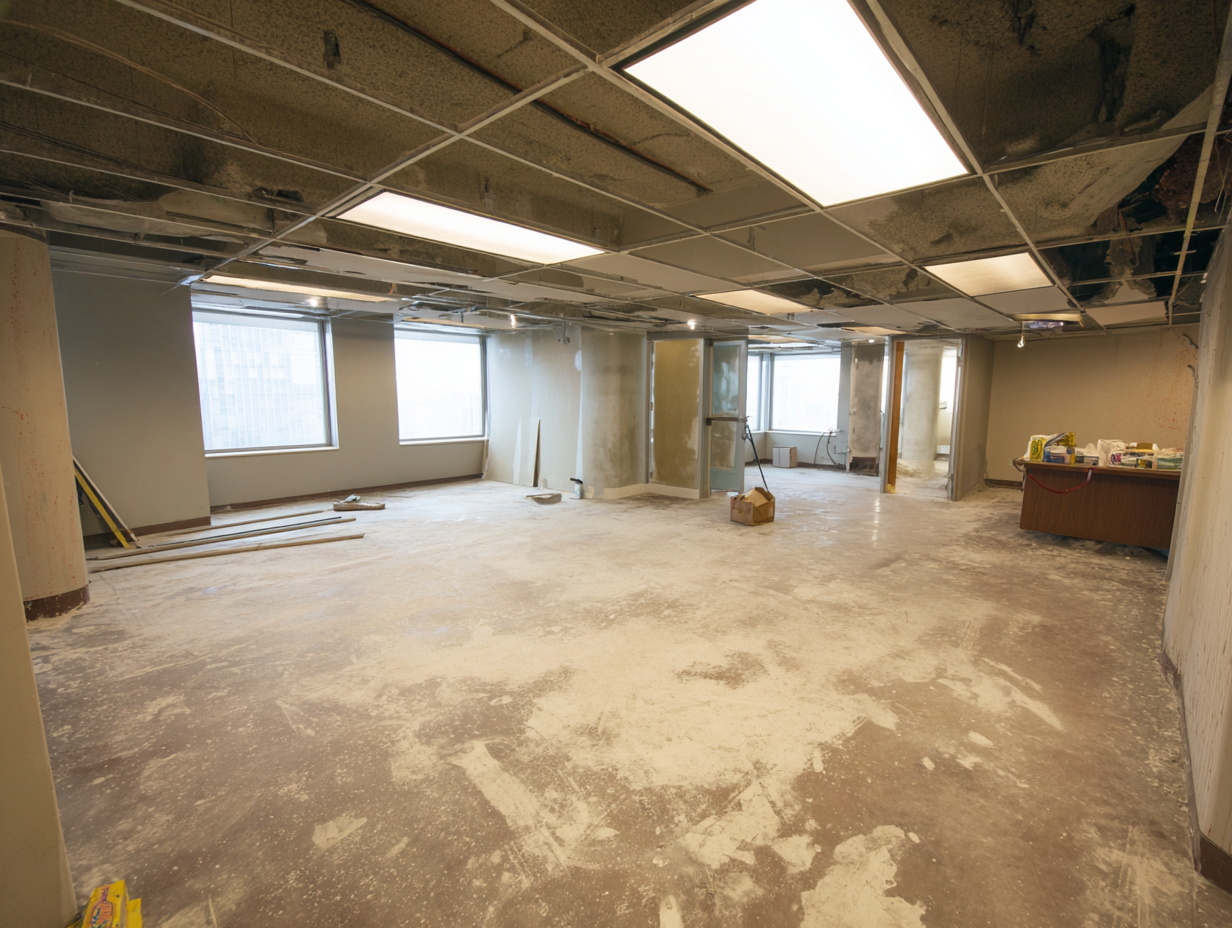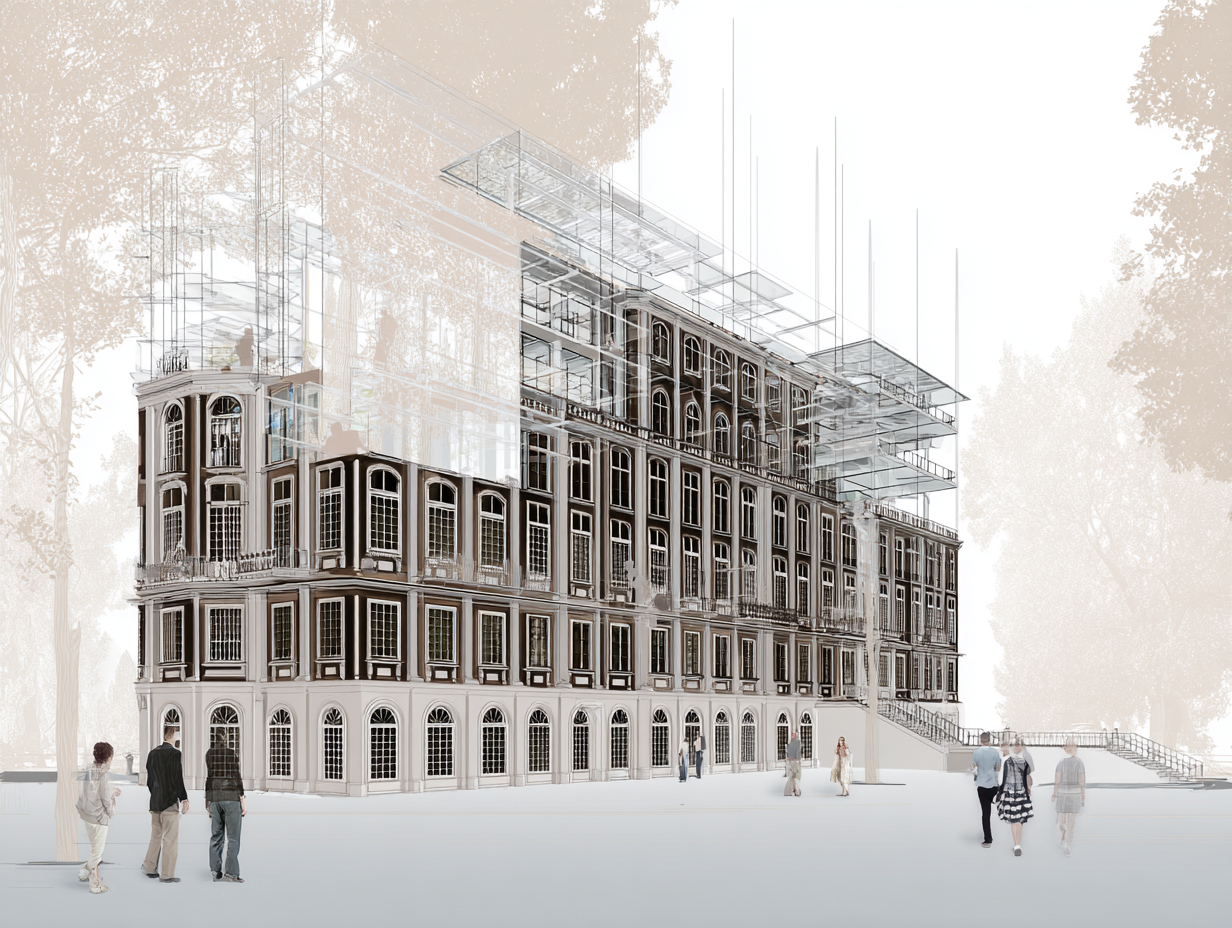
The BRICKER project developed scalable strategies for deep energy-efficient renovations of public non-residential buildings, targeting at least 50% energy reduction and near-zero emissions. Funded by the EU’s FP7 program from 2013 to 2018, it involved 19 partners across Europe and focused on cost-effective, replicable systems considering local climates and building conditions.
Project Goals
BRICKER aimed to create a holistic system integrating passive and active technologies for public buildings like universities and hospitals. It emphasized demand reduction via envelope improvements and energy supply through renewable HVAC cogeneration with thermal storage. The approach connected buildings into efficient districts for energy sharing, aligning with EU 2020 energy and climate goals.
Key Technologies
Passive solutions included aerating windows for ventilation, PIR foam panels with phase-change materials (PCM) for insulation and thermal inertia, and ventilated facades from recycled concrete. Active technologies featured biomass boilers, ORC cogeneration units (90kW electric, 400kW thermal), and parabolic trough solar collectors up to 1.5MW thermal. These enabled trigeneration for power, heating, and cooling using local renewables.
Demonstrations
Two sites were renovated: the University of Liège engineering school in Belgium (blocks with full envelope upgrades, biomass/ORC system, 16-68% heating demand cuts) and Adnan Menderes University Hospital in Aydın, Turkey (insulation, solar field, ORC, projected 17% electricity and 75% gas savings). A Spanish site withdrew, but simulations showed viability; challenges included regulations and procurement delays.
Outcomes and Impacts
Projects achieved up to 56% primary energy and CO2 reductions in simulations, with annual savings over €140,000 in high-demand sites like hospitals. Paybacks varied: 2 years for Turkish passives, 11-24 years for full systems at market prices; best for 24/7 operations. Replication suits hospitals/hotels via ESCO models, promoting renewables and district energy.