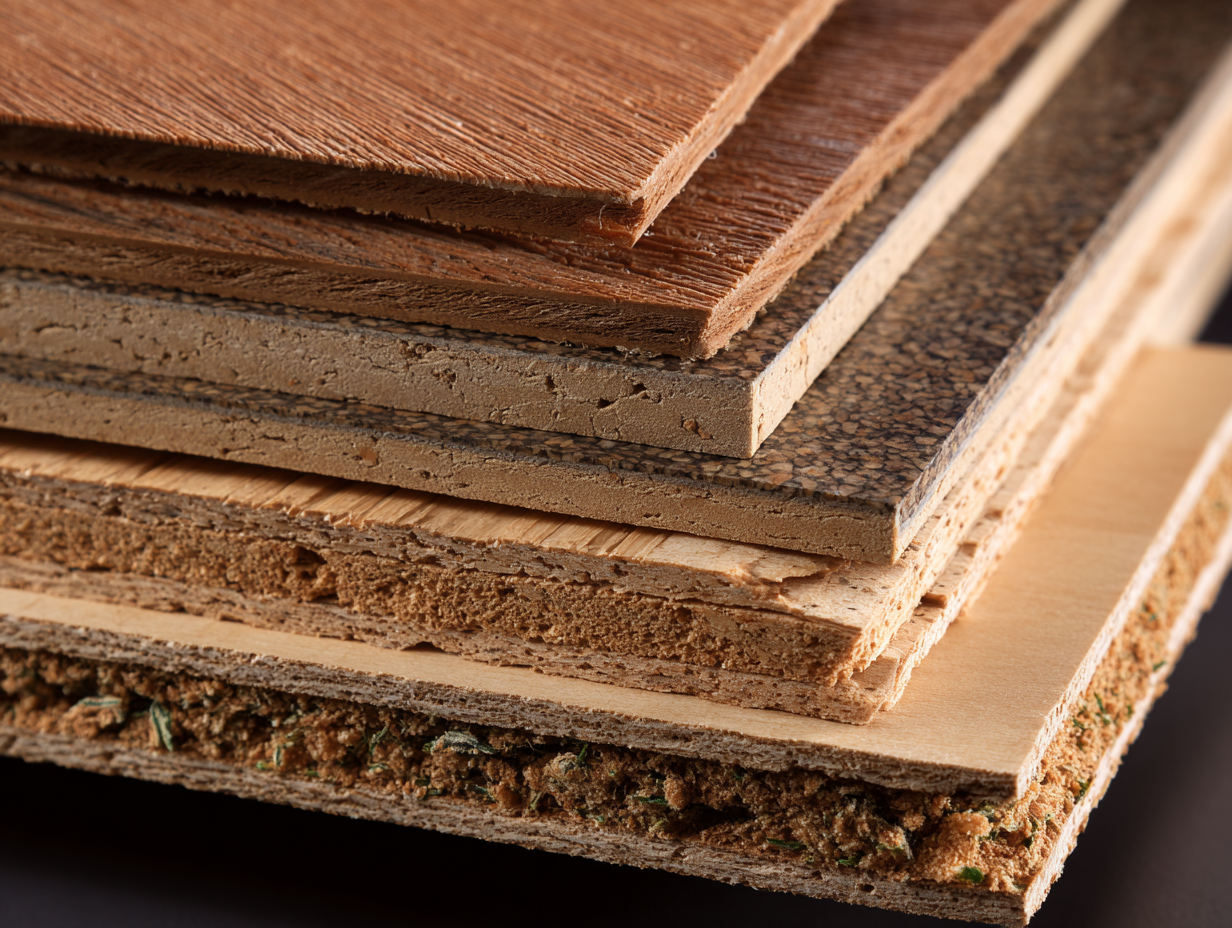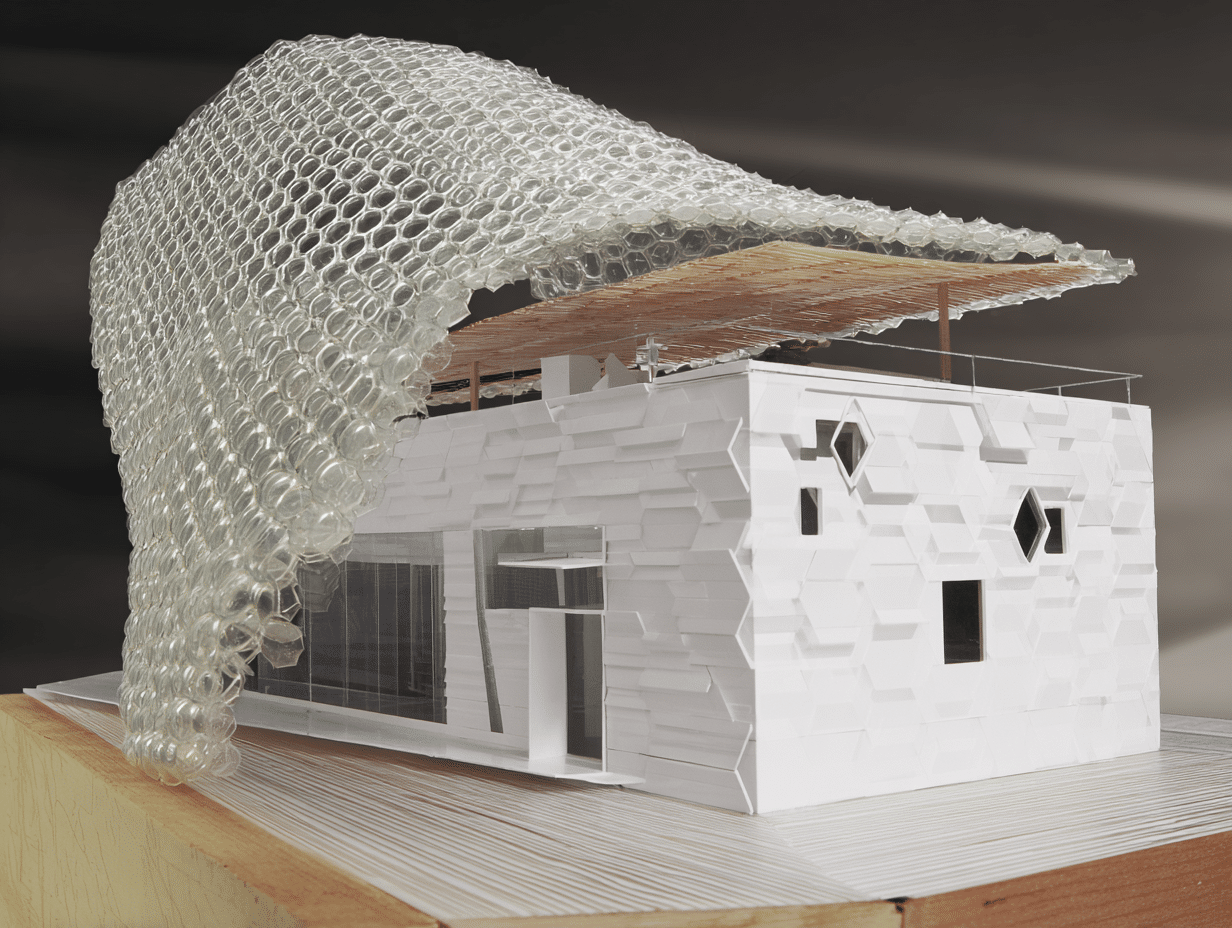
The FOAM-BUILD project developed advanced nanomaterials to create energy-efficient, smart building facades. It focused on thermoplastic foams enhanced with nanotechnology for superior insulation and sustainability.
Project Goals
FOAM-BUILD aimed to cut CO2 emissions by improving external thermal insulation composite systems (ETICS). Key targets included reducing thermal conductivity by up to 50% to 0.023 W/mK using nano-cellular polystyrene foams and aerogels.
Nanomaterial Innovations
Researchers created halogen-free, flame-retardant foams with nano-scaled nucleating agents and high-pressure expansion processes. These lightweight materials boost insulation while enabling recyclability and low carbon footprints, verified through life-cycle analysis.
Smart Facade Features
A moisture control system used sensors and ventilation to prevent mold, algae, and fungi growth without chemicals, extending facade life to 20 years. This eco-friendly design powers itself via small solar inputs, addressing health and maintenance issues.
Outcomes and Relevance
The project delivered hybrid foams meeting EU building codes, with potential for standardization.