
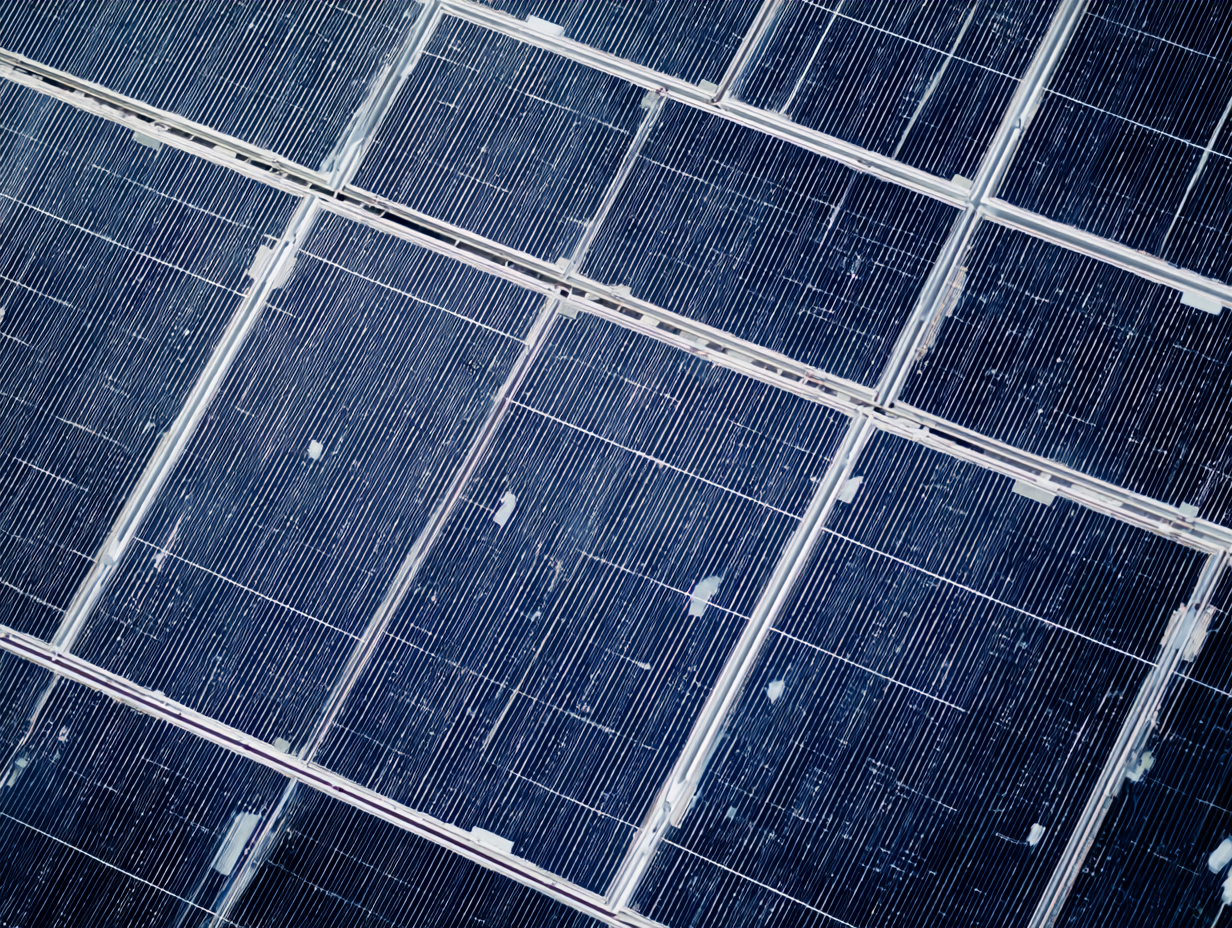
The CU-PV Project focused on creating sustainable photovoltaic (PV) modules through a cradle-to-cradle approach, emphasizing full recyclability and minimal environmental impact across the entire lifecycle.
Project Overview
This EU-funded initiative, running primarily from 2012-2015 under the 7th Framework Programme, aimed to redesign solar modules for complete material recovery and reuse, unlike traditional recycling that often degrades material quality. It targeted innovations like thinner silicon wafers for lower energy use in production and higher efficiencies over 19% in back-contact cells. A related ongoing effort, C2C-PV at Helmholtz Institute Erlangen-Nürnberg (HI ERN) led by Dr. Ian Marius Peters, continues this work with ERC funding to prototype fully circular modules using green engineering principles.
Key Innovations
- Developed recycling methods like thermal processing in fluidized bed reactors and chemical extraction to recover intact silicon cells, glass, and metals with reduced resource use.
- Explored thermoplastic encapsulants instead of EVA to minimize cell breakage during disassembly, enabling economic reuse in new modules.
- Demonstrated semi-automated lines for testing scalability and conducted lifecycle analyses for techno-economic viability.
Relevance to Sustainability
These designs address PV waste challenges as modules near end-of-life after 20-30 years, promoting a closed-loop system where materials retain value for multiple generations. For architecture applications like yours in sustainable design, CU-PV principles could integrate into BIM workflows for modeling recyclable building-integrated PV (BIPV) systems.

